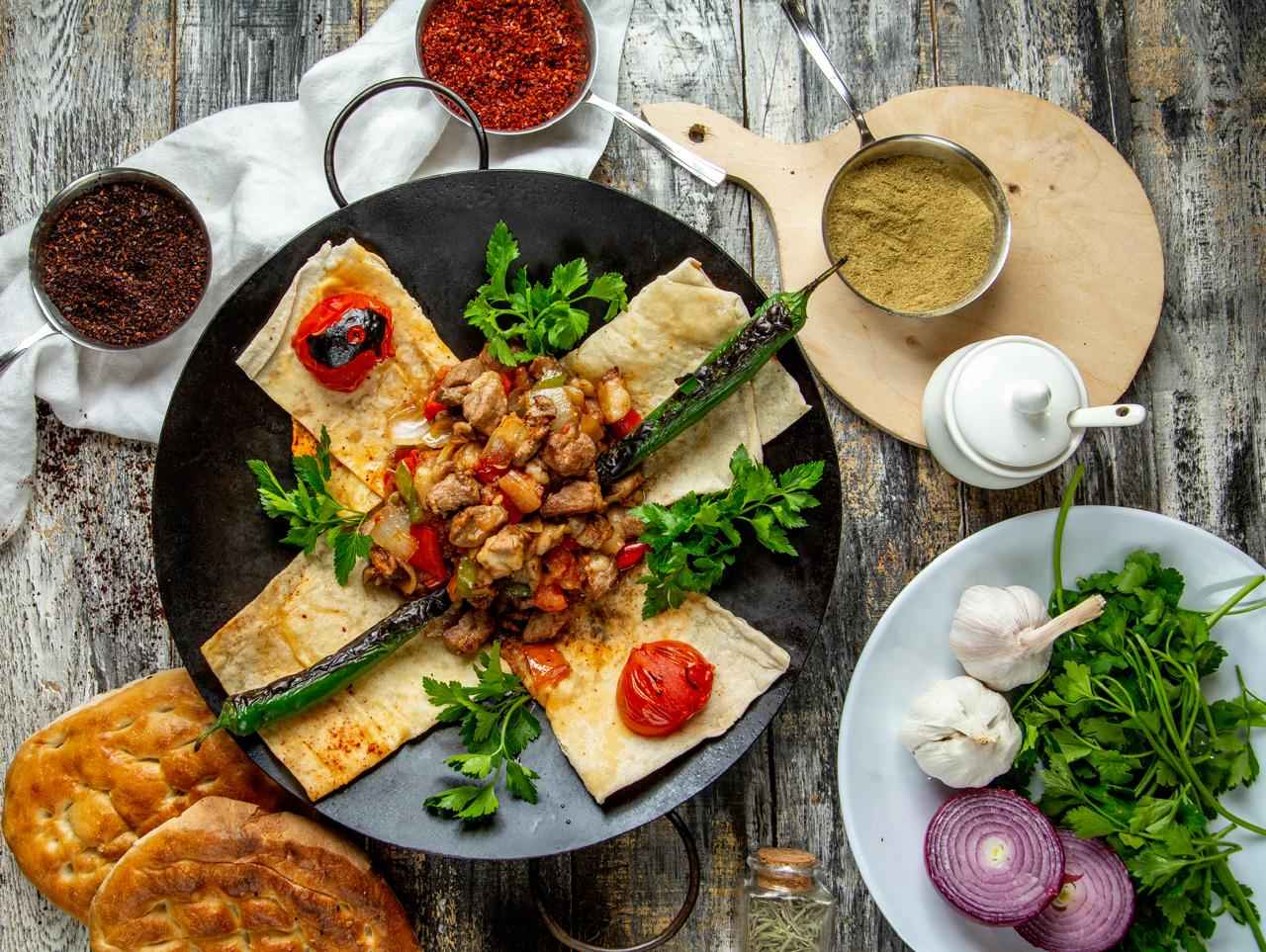
Rooted in centuries of history and shaped by diverse regions, Turkish cuisine is celebrated for its remarkable balance—between richness and freshness, simplicity and sophistication. Unlike cuisines that rely heavily on extremes, Turkish food focuses on harmony. Each dish is thoughtfully composed to nourish the body while delighting the senses, making it one of the most enduring and universally loved culinary traditions in the world.
From casual daily meals to carefully prepared feasts, Turkish cuisine reflects a lifestyle that values quality ingredients, shared experiences, and food prepared with intention.
A Cuisine Shaped by the Seasons
One of the defining characteristics of Turkish cooking is its close relationship with nature and seasonal produce. Meals change throughout the year, adapting to what is fresh and abundant. Spring brings vibrant vegetables, herbs, and lighter dishes. Summer highlights olive-oil-based plates, grilled meats, and refreshing yogurt accompaniments. Autumn introduces heartier grains and legumes, while winter favors warming stews and slow-cooked recipes.
This seasonal approach keeps meals fresh, nutritious, and satisfying without relying on heavy sauces or excessive spices. The result is food that feels comforting yet never overwhelming.
Simple Ingredients, Thoughtful Technique
Turkish cuisine proves that extraordinary flavor doesn’t require complexity. Core ingredients such as olive oil, tomatoes, eggplants, peppers, onions, yogurt, grains, and fresh herbs form the foundation of countless dishes. What elevates them is technique—grilling, baking, slow simmering, and gentle sautéing that preserves natural taste.
Meats are treated with care, often marinated lightly and cooked over open flames or baked until tender. Vegetables are given equal importance, frequently appearing as standalone dishes rather than side items. This balance creates meals that feel complete without being heavy.
Everyday Elegance at the Table

Unlike cuisines reserved for special occasions, Turkish food shines in everyday dining. Breakfast spreads are generous but balanced, featuring bread, cheese, olives, eggs, and fresh produce. Lunches are filling yet light enough to carry on the day. Dinners are meant to be shared, with multiple small plates encouraging conversation and connection.
Meals are rarely rushed. Dining is seen as a pause—a moment to reconnect with family, friends, and oneself. This philosophy is deeply woven into the culture and reflected in the way dishes are served and enjoyed.
A Social and Cultural Experience
Food in Turkish culture is inseparable from hospitality. Guests are welcomed warmly, portions are generous, and sharing is encouraged. Tables often fill with a variety of dishes, allowing everyone to taste a little of everything. This creates an atmosphere of inclusivity and comfort that transcends language or background.
Even simple meals carry meaning. Tea is offered without asking, bread is never wasted, and meals are prepared with respect for both ingredients and guests. These values give Turkish cuisine its emotional depth.
Nourishment Beyond Taste
Another reason Turkish cuisine remains so popular is its natural balance of nutrition. The frequent use of vegetables, legumes, yogurt, olive oil, and grilled proteins supports a wholesome way of eating. Dishes are satisfying without being excessive, making the cuisine both indulgent and sustainable.
Desserts, while rich and flavorful, are typically enjoyed in moderation, reinforcing the idea that pleasure and balance can coexist.
Conclusion
With its seasonal rhythm, thoughtful preparation, and emphasis on balance, turkish cuisine offers far more than delicious food—it presents a way of life. Grounded in tradition yet perfectly suited for modern living, it continues to captivate diners by turning everyday meals into moments of comfort, connection, and quiet elegance.